
Side Effects and Risks of IV Vitamin Drips
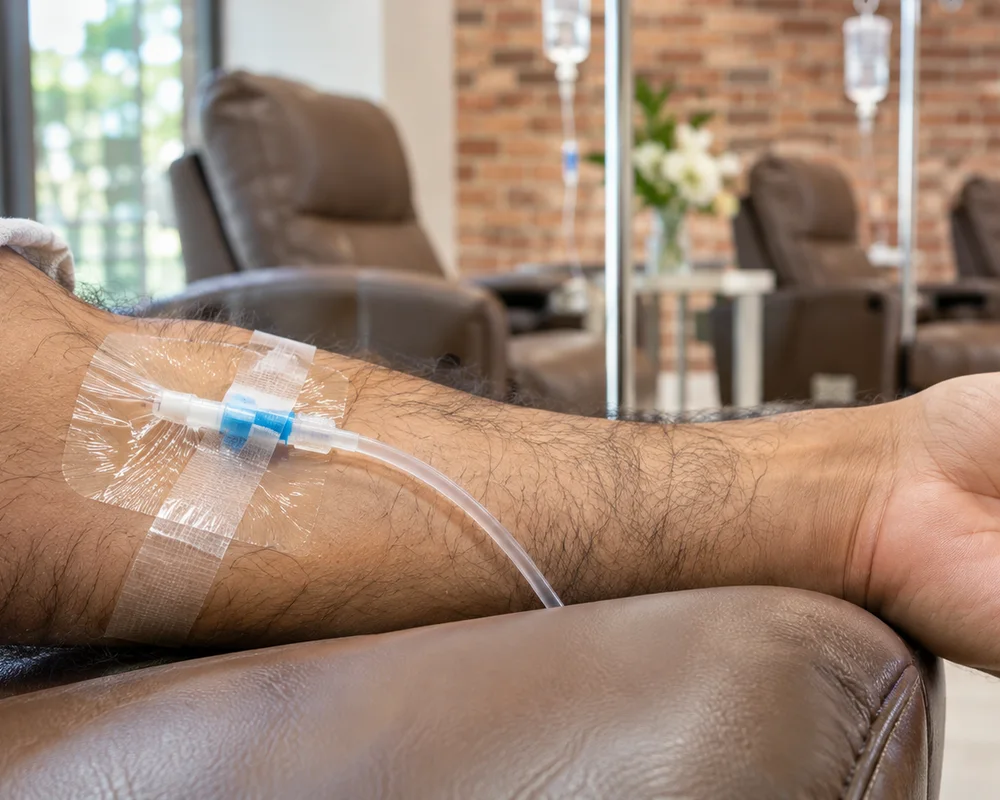
Some risks come from the infusion itself, whatever vitamins are in the bag. Those risks come back with every visit.
Risks of the infusion itself
Healthline says the risks associated with the infusion in general include blood clots, and vein irritation and inflammation, which could be painful. None of that depends on which vitamins you choose.
Which? argues that the drips are poor value in Why IV vitamin drips are a waste of money. Weigh that against the risks above before you book.
When the drip runs too fast
Healthline also warns that if the infusions are not carefully monitored and the fluid drips too quickly, there is a risk of fluid overload, which could affect electrolyte balances and damage the kidneys, brain, and heart. Monitoring is a service you are paying for, so ask who does it.
Before you raise monitoring with a clinic, read UCLA Health's advice to talk with your provider before undergoing IV vitamin therapy.
What a series does to the risk
Each extra visit is another infusion, so the risks above return each time. A plan of many visits adds to the fee, and it also adds to the number of times you take these risks.
Read the science behind intravenous vitamin therapy to see how researchers frame the question.
Which reader should hesitate
A reader with a health condition should ask the clinician whether it raises the risk of a reaction before booking. For a related infusion, Healthline's guide to NAD+ infusion safety is a useful comparison.